Accessibility & Tallinn's Digital Twin
The Challenge
Tallinn is a city striving for inclusivity, yet many citizens still face significant accessibility barriers. A single step on a sidewalk might seem trivial to most — but for someone using a wheelchair, it’s a roadblock to freedom and safety.
While Tallinn’s government has shown commitment to accessibility, the current system for gathering and acting on citizen feedback is inefficient and disconnected. Citizens submit complaints through outdated methods, unsure if their voices are heard, while city officials struggle to sort, prioritize, and address a flood of issues without clear insights or accountability.
Research
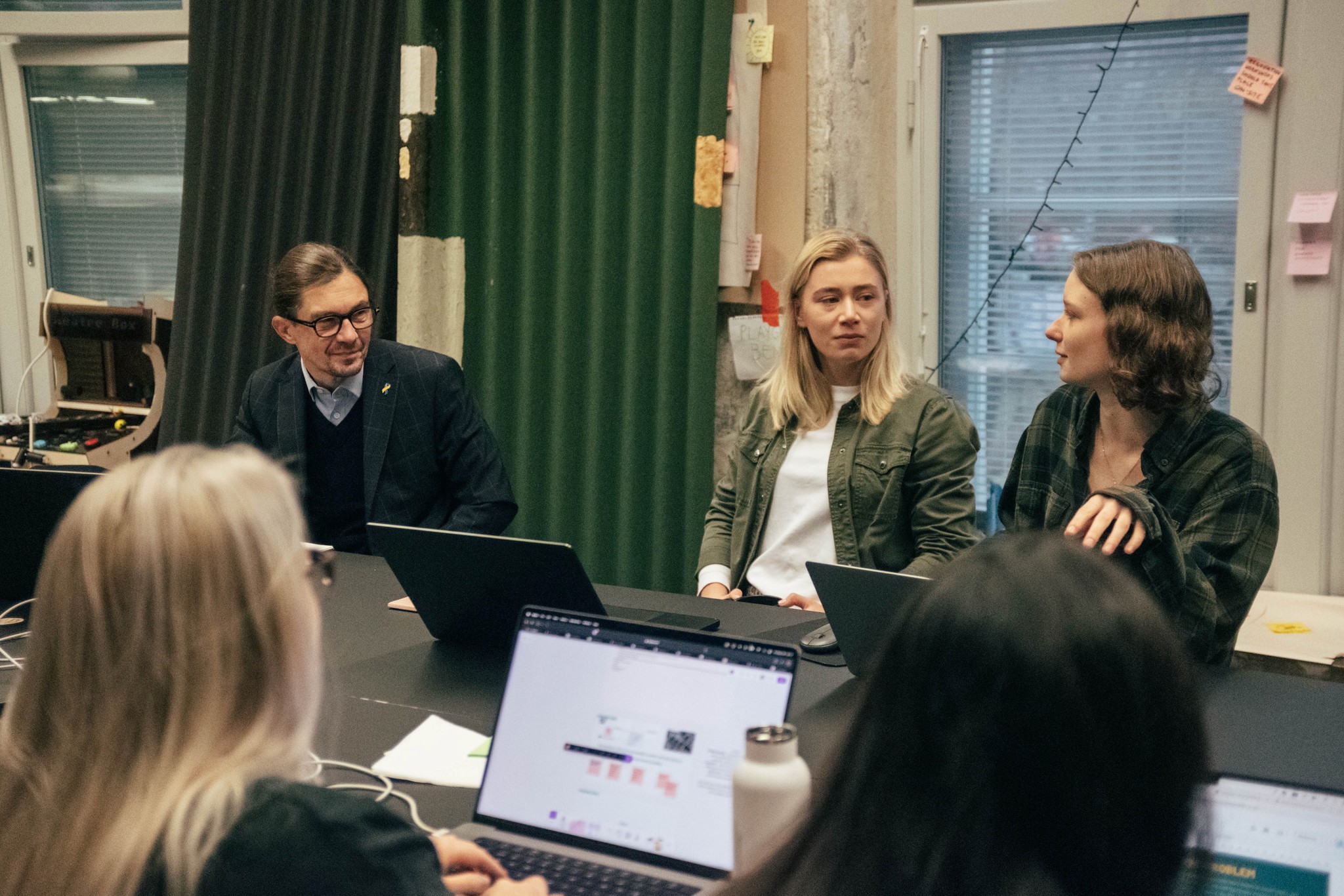
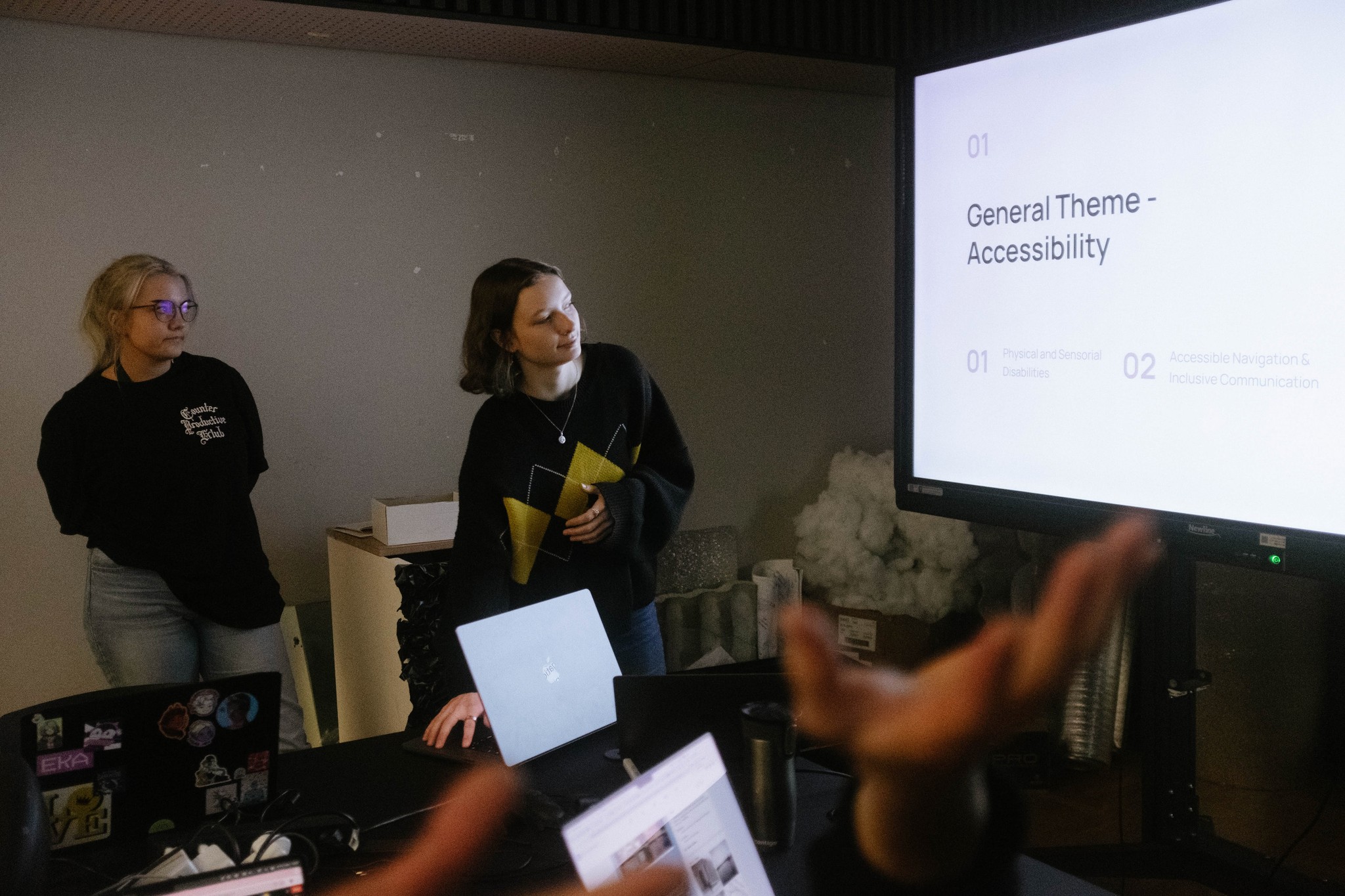
Through desk research and many user interviews, our team of three interaction designers realized that Tallinn's Digital Twin could facilitate a meaningful intervention for accessibility in the city.
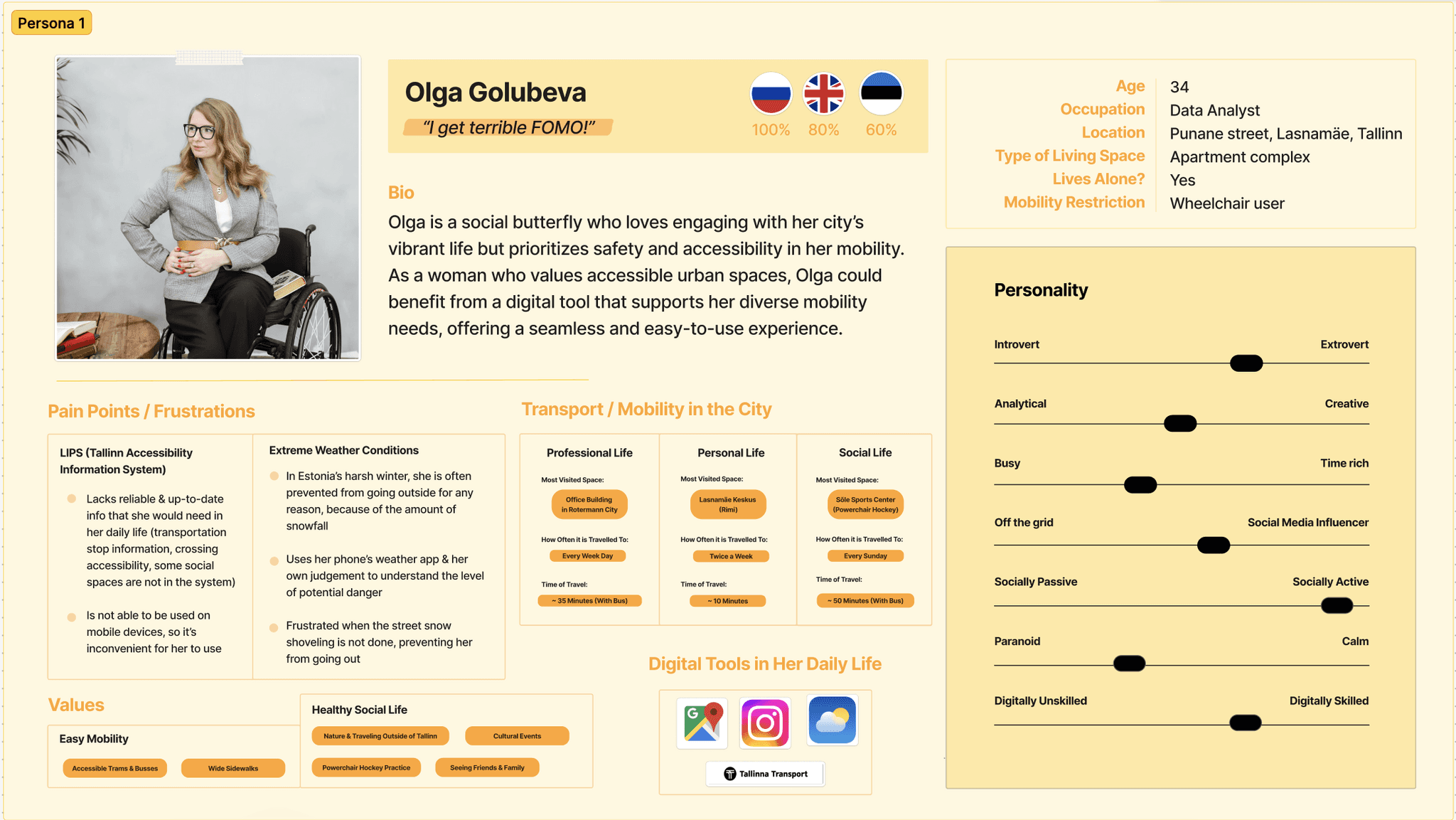
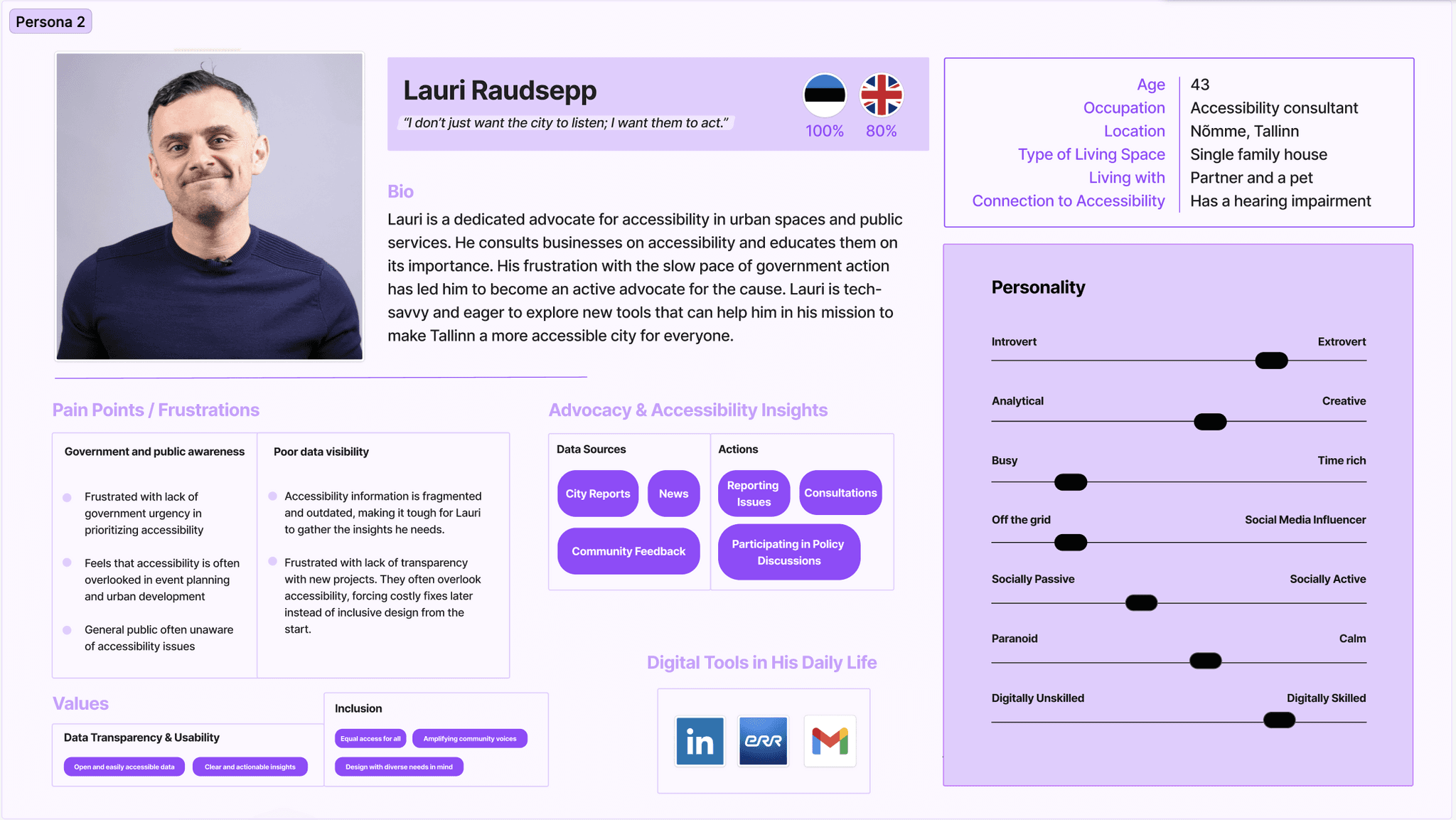
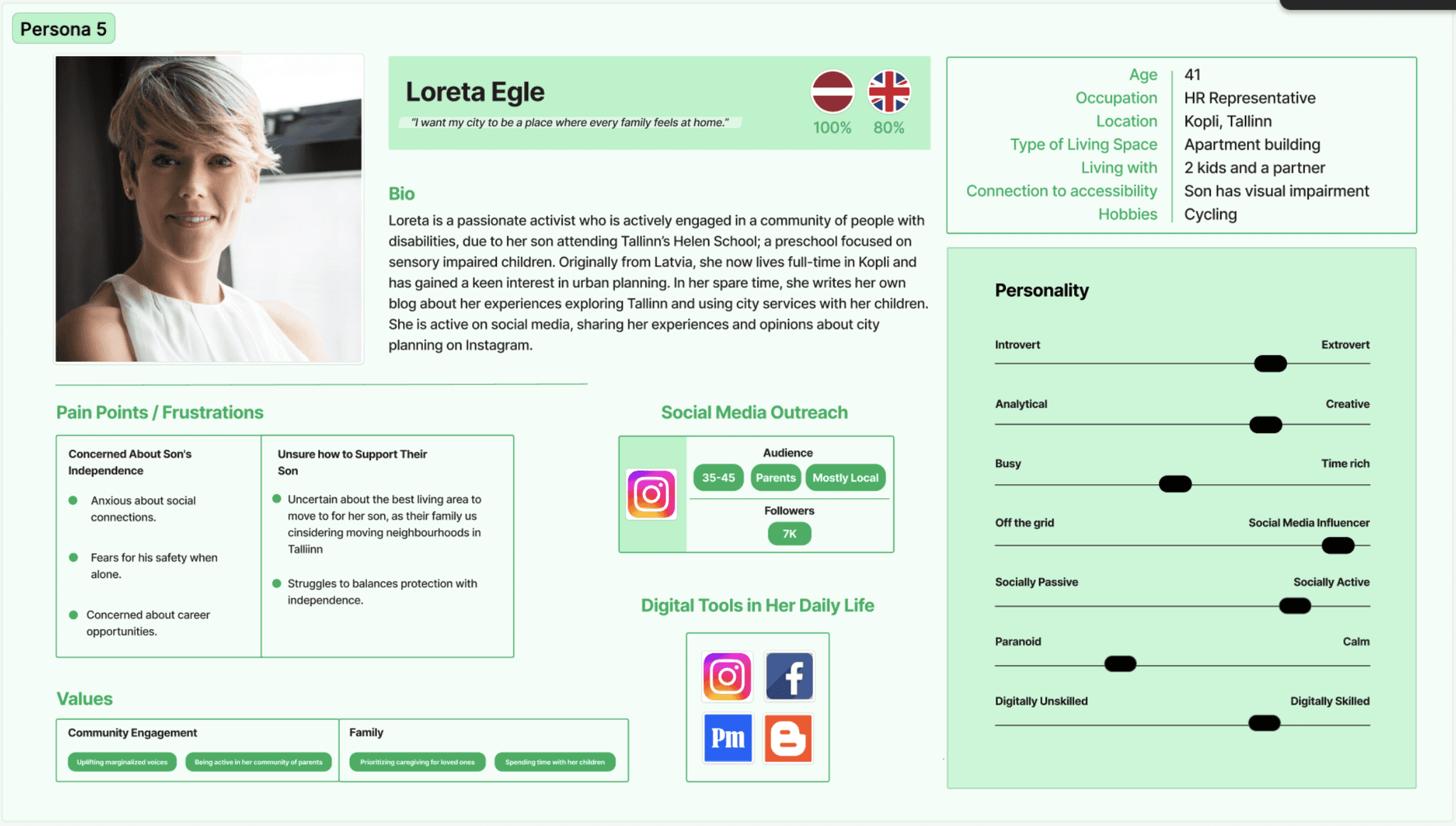
We created these three target user personas to guide our design process.
Ideation & Preparation
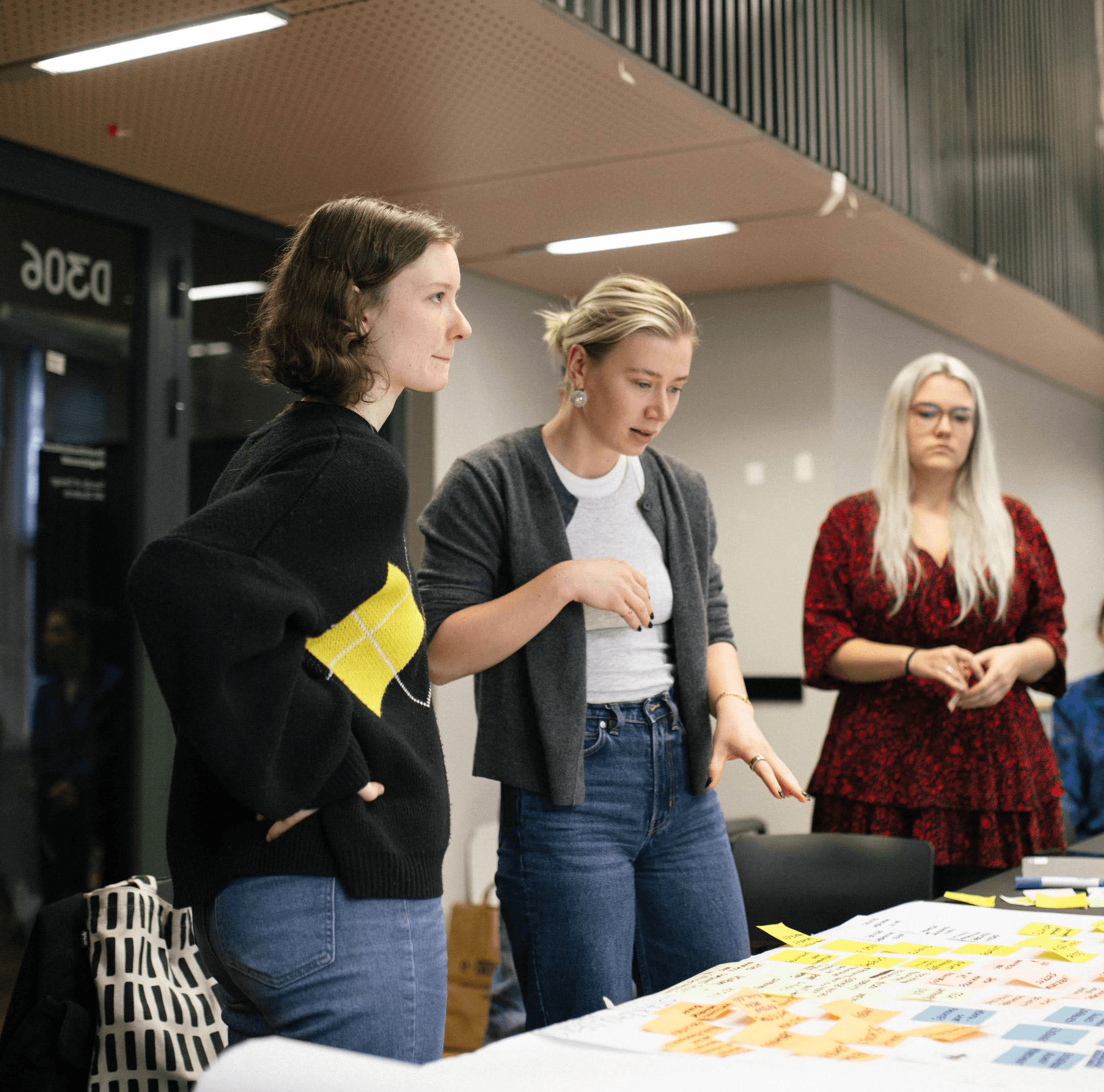
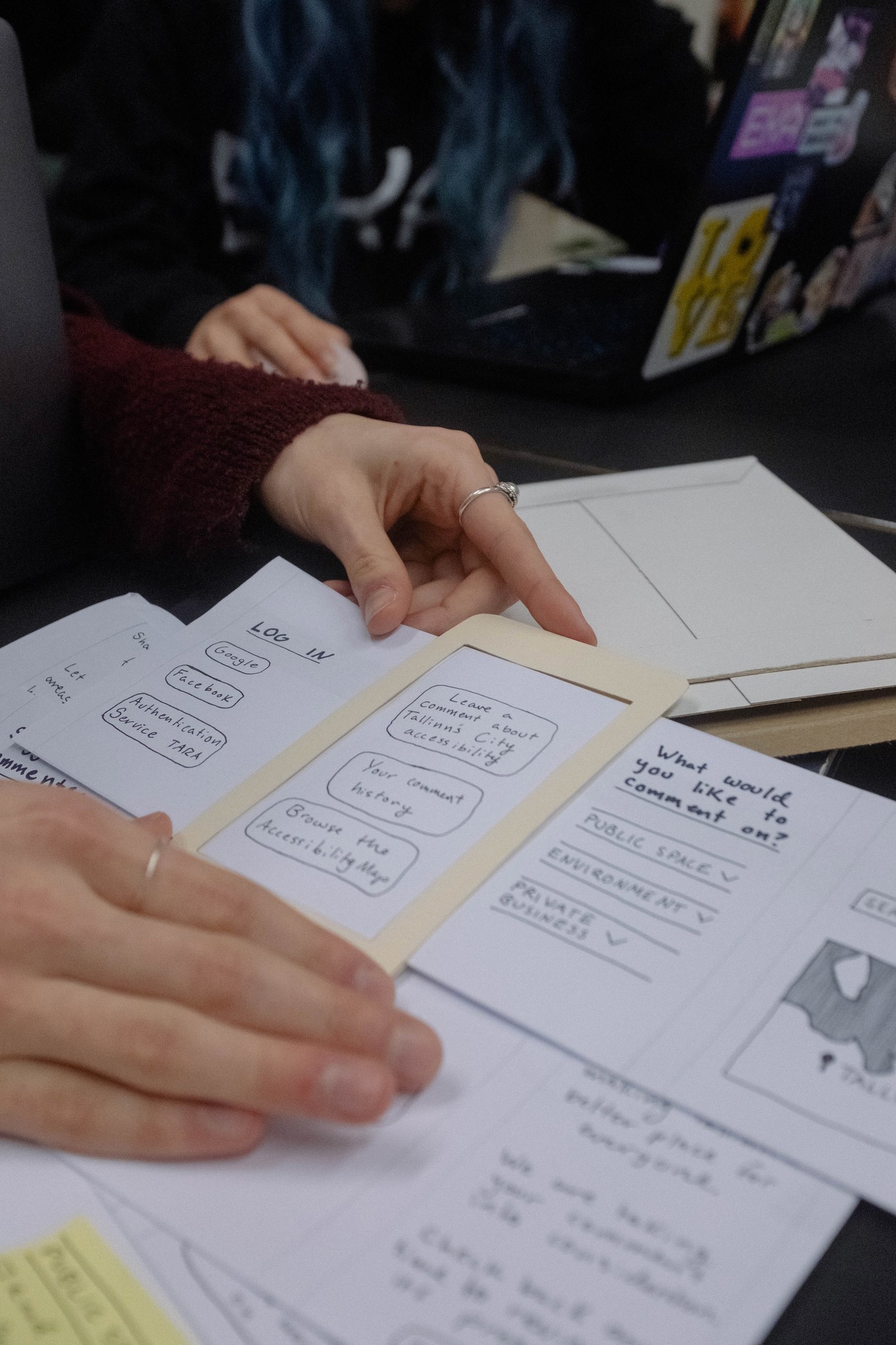
After two weeks of team research, we split into individual directions to ideate, test, and consult with our mentors.
Finally, a solution was born:

TwinSight
The Concept
TwinSight leverages Tallinn’s Digital Twin to create an interactive, collaborative feedback loop between citizens and city decision-makers. It transforms the Digital Twin from a static planning tool into a living, empathy-driven platform that collects, categorizes, and visualizes accessibility data — all while fostering public transparency and accountability.
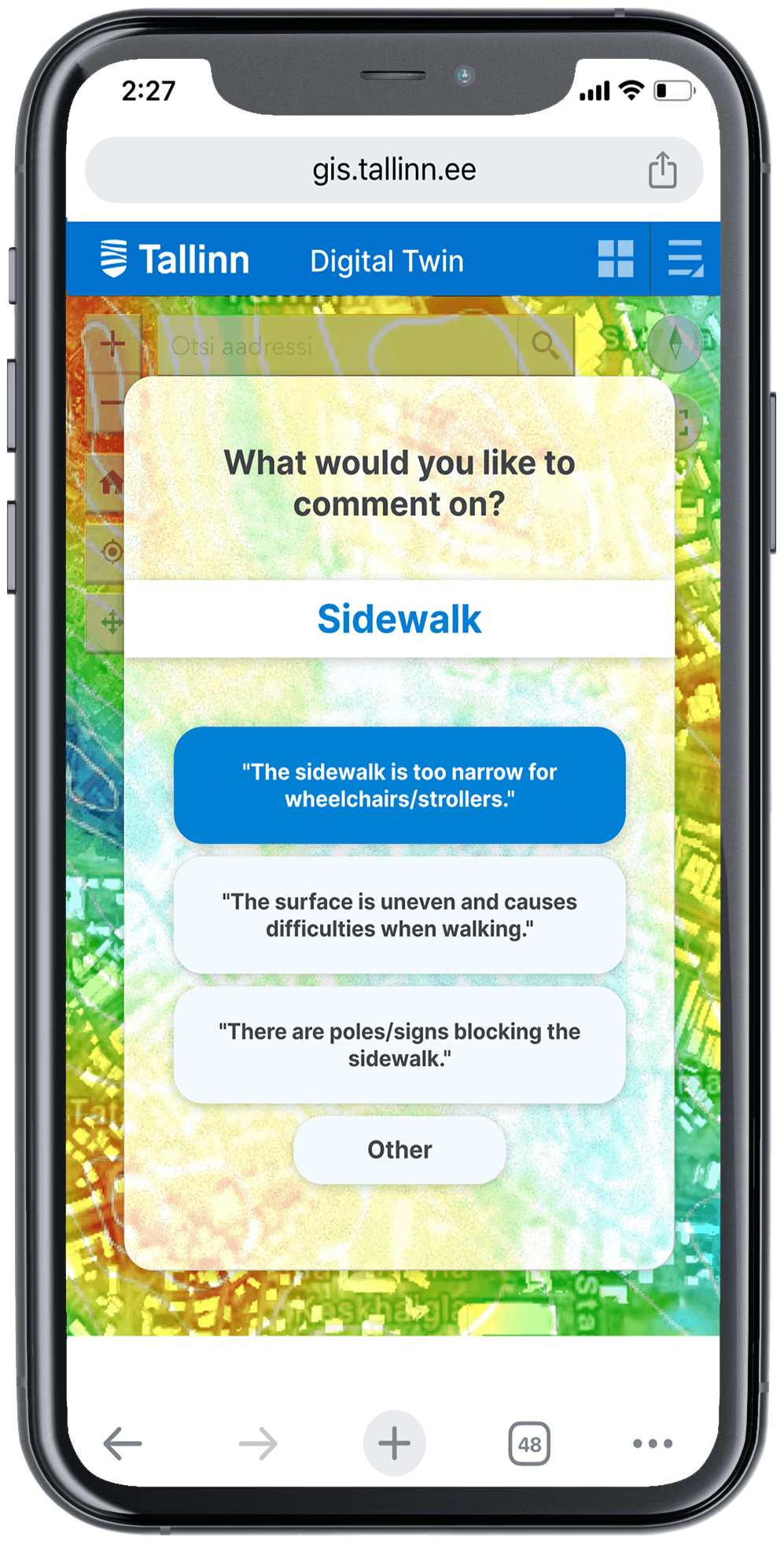
Here's How it Works.
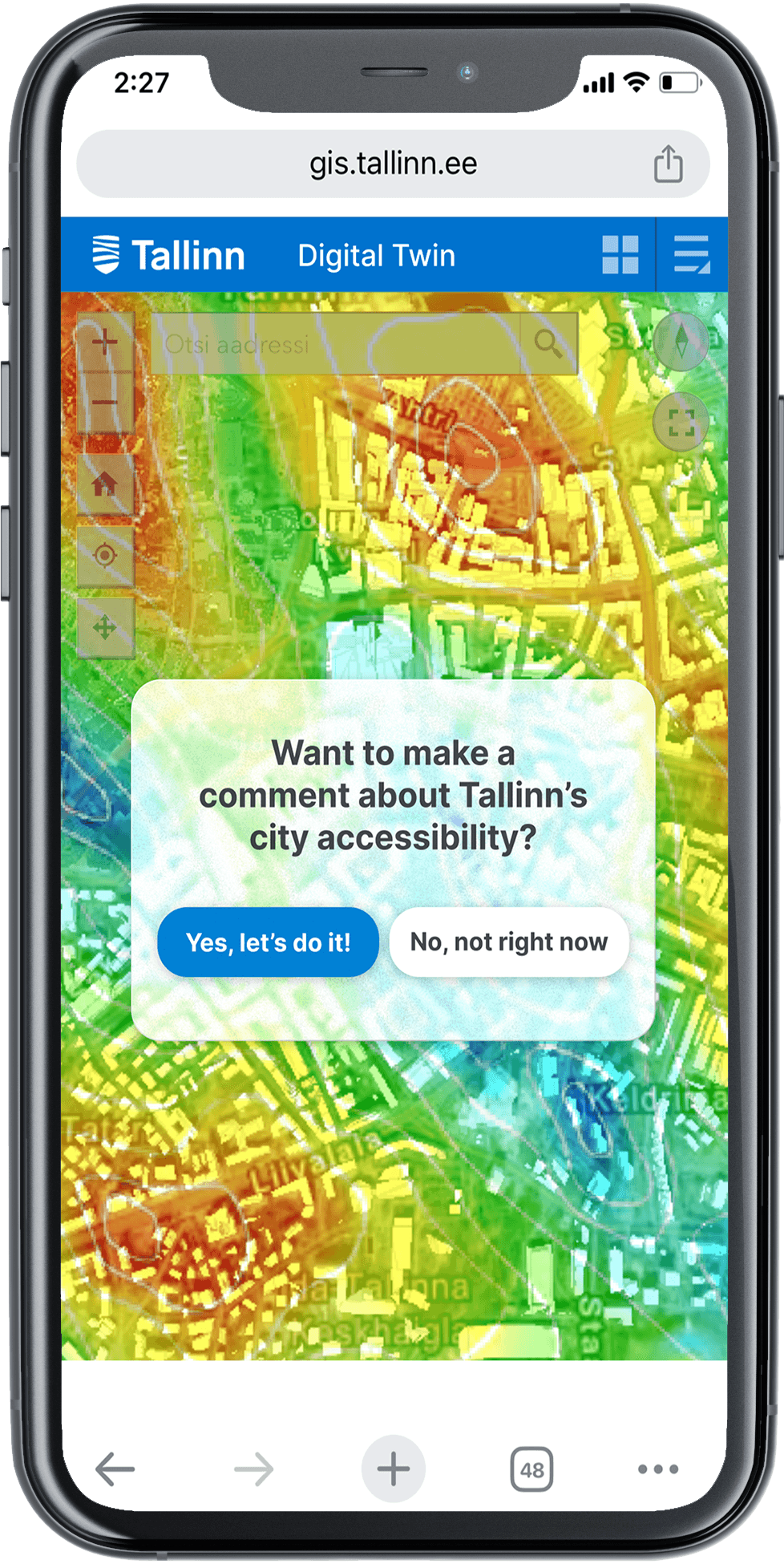
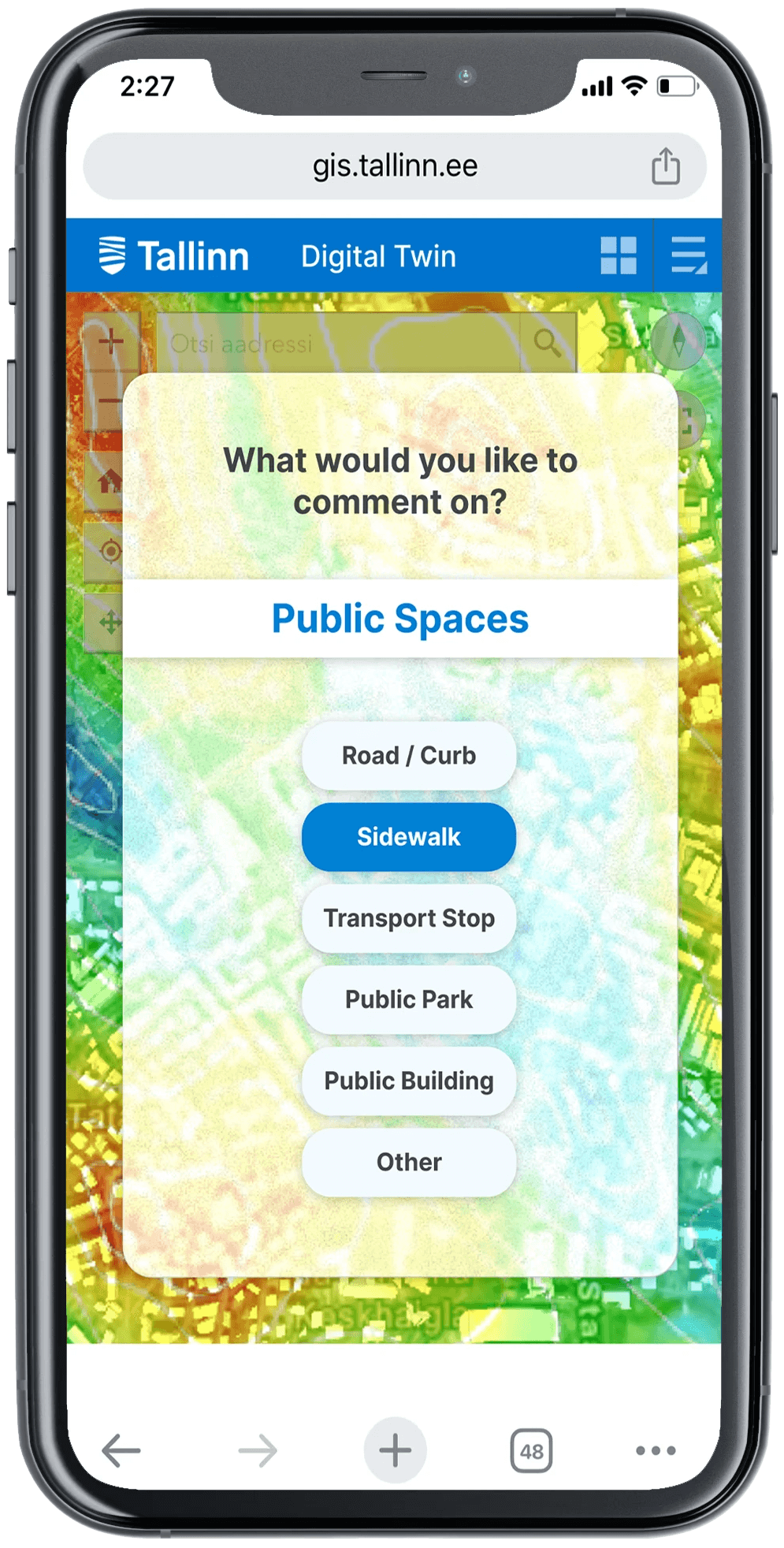
Firstly, Tallinners can contribute and explore data. Using the service, people can view a heat map highlighting accessibility concerns and successes. They can add their own comments about an issue they’ve faced in a public space, or select from a list of “suggested comments” for faster feedback.
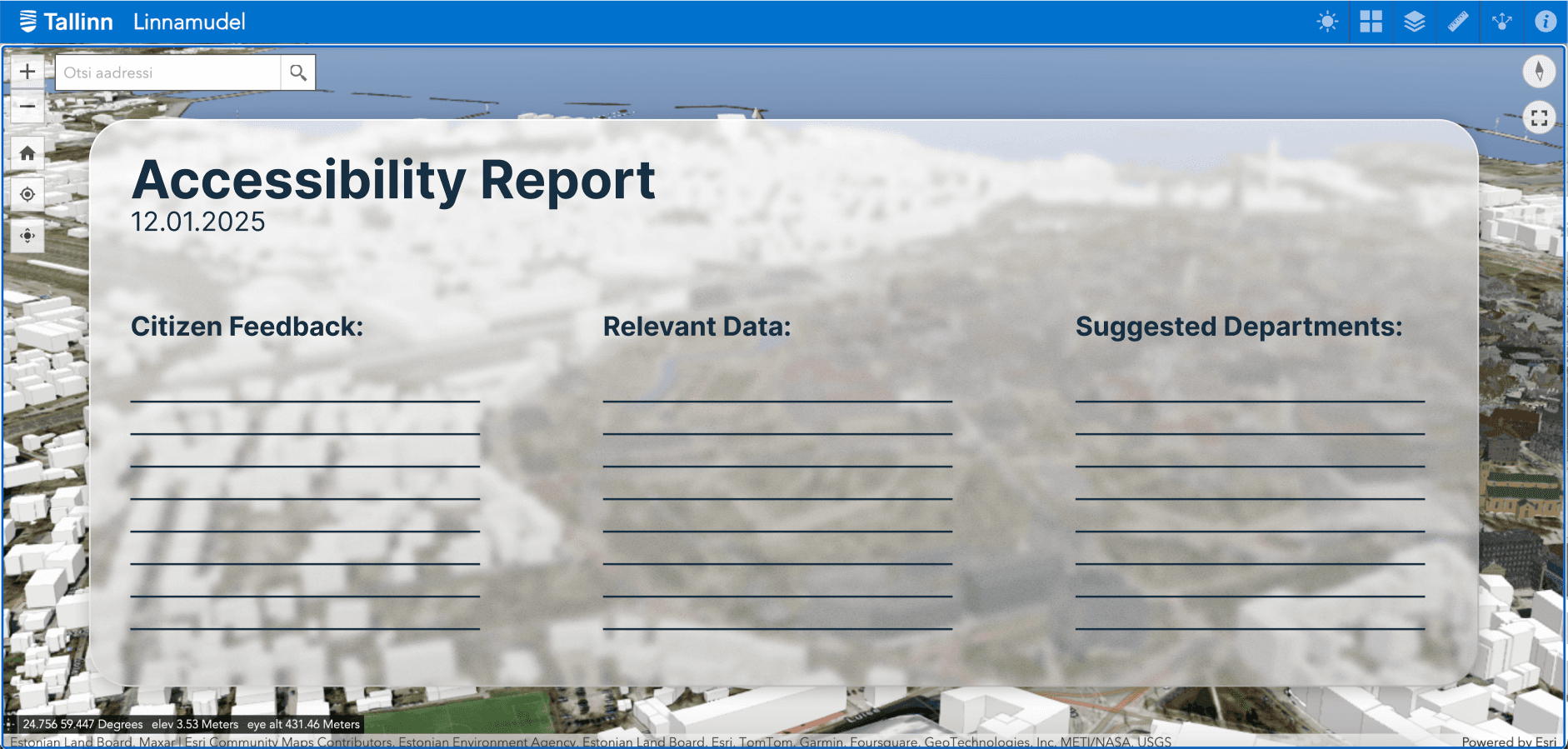
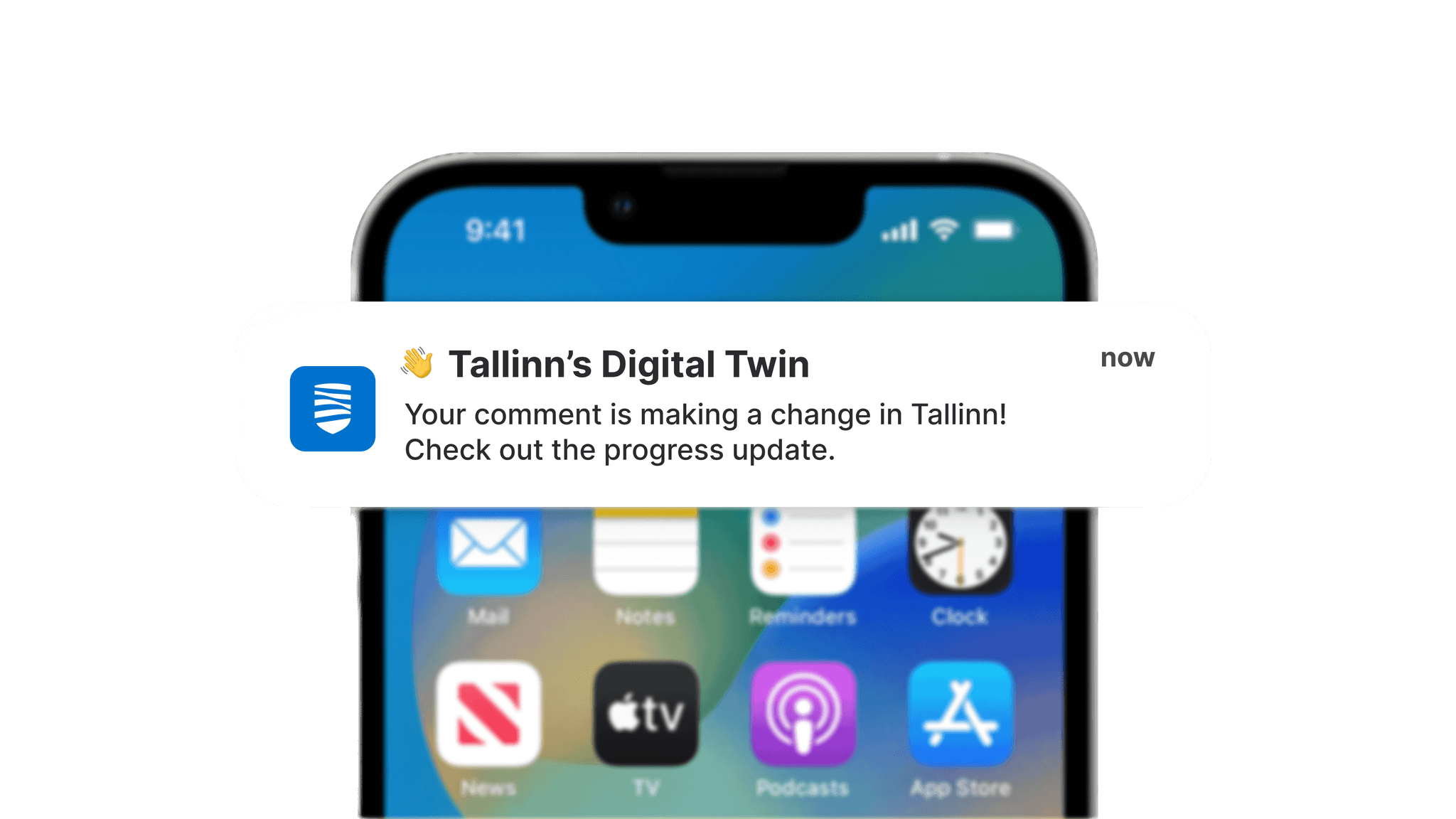
The twin will then prioritize recurring concerns. When a certain number of similar complaints are received, the twin notifies the city government and prepares an accessibility report, including citizen feedback, data gathered from the digital environment, and suggested departments to act. At the same time, the service notifies users with progress updates on their concerns.
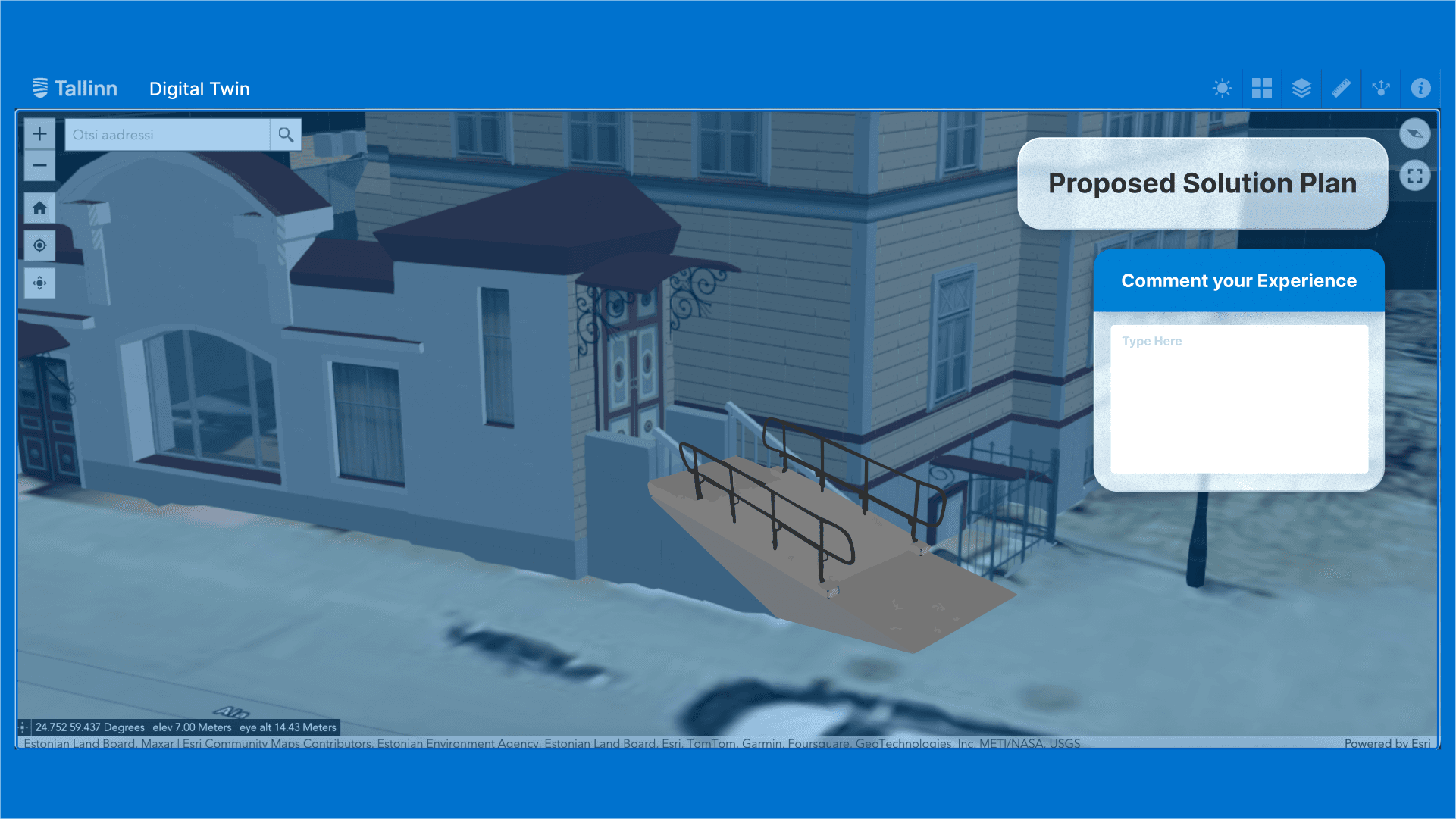
TwinSight also allows for testing proposed solutions. Government officials will upload their solution plans, which will then become a part of the virtual city, and users, both government and citizens can create virtual avatars to simulate different ability levels and experience how proposed changes might work before they’re implemented in real life.
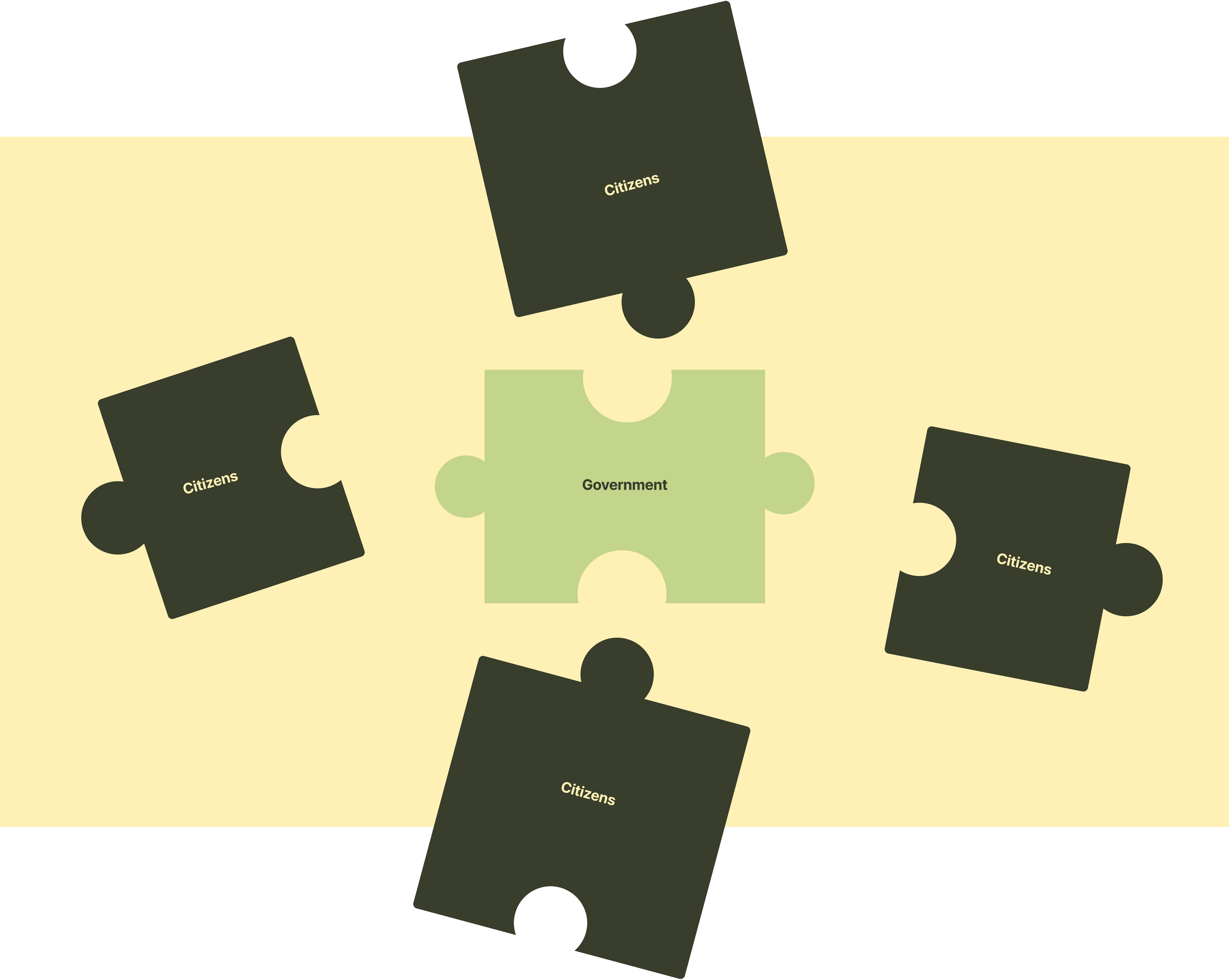
TwinSight reimagines Tallinn’s Digital Twin as a shared space for empathy and collaboration.
The solution bridges the gap between citizens and government. Rather than just collecting data, it invites action — creating a dynamic process where accessibility grows through lived experience, dialogue, and care.